

Call a local advisor
+86 186 1196 4400Email our team
info@tour-beijing.comTour Beijing Journal
At 8:00am, on August 01, 2011, we set off from Xiahe Civil Aviation Hotel in Xiahe Countyfor Langmusi. It was a 230km drive which, later on, took us about 4
Our bus driver turned out to be a very cautious person keeping a stead driving speed of 80km per hour all the way. On the way, we stopped two times at Gas Sations for using toilets, adding up to the total time of 4 hours for the whole trip along the National Highway No.213.
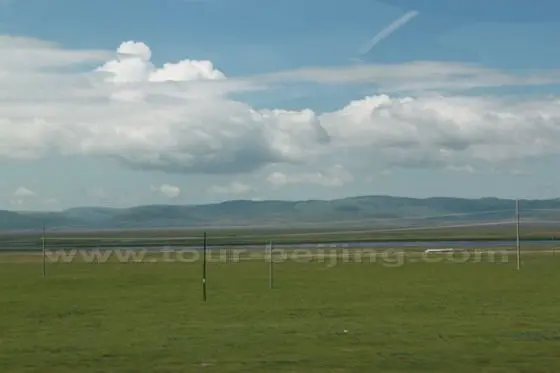
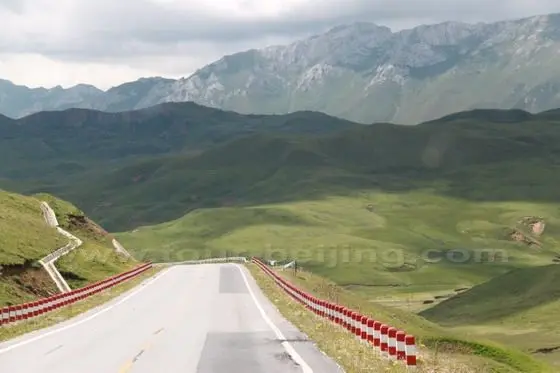
For the 230km road trip, we drove along the National Highway No.213 passing by Hezuo City, Luqu County, experiencing mesmerising views of alpine meadows, grassslands, grazing yaks and sheep, and Tibetan living houses, unfolding a "water colour" picture of the pristine life in Gannan Tibetan Autonomous Prefecture.
Our Xiahe Langmusi road trip can be divided into 4 sections: Xiahe - Wang Ge Er Tang Town 30km, Wang Ge Er Tang - Hezhou 32km, Hezhou - Luqu 79km and Luqu - Langmusi 90km. The road sightseeing in the later two sections are beyond words.
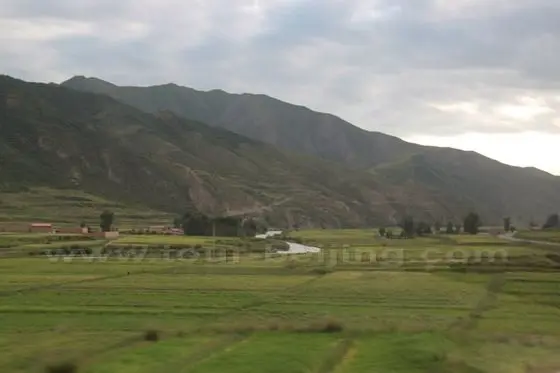
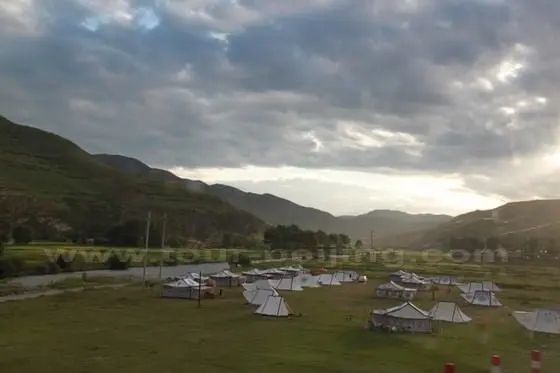
This 32km section road was a transit area between the loesss plateau and Tibetan-Qinghai Plateau. The Tao River originating from Luqu County runs parallelled by the highway. We felt our coach climbing up all the way to our destionation Langmusi on the edge of Tibetan-Qinghai Plateau, higher and higher.
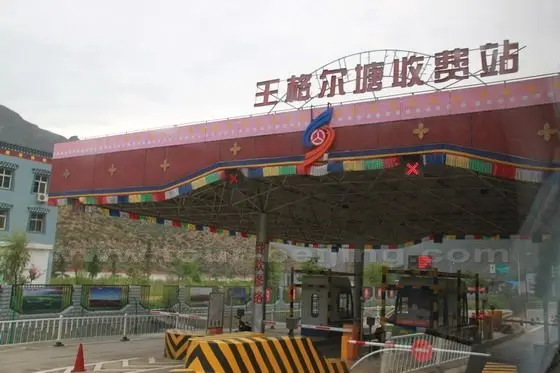
We entered the National Highway 213 at Wang Ge Er Tang Toll Gate.
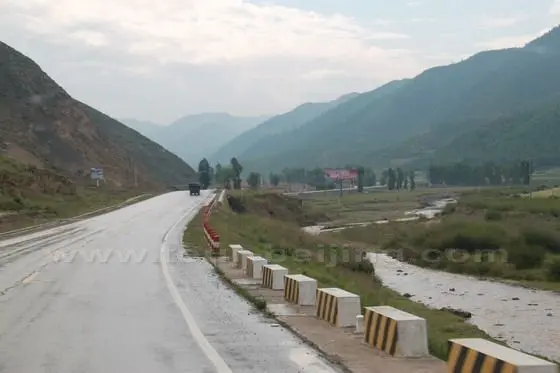
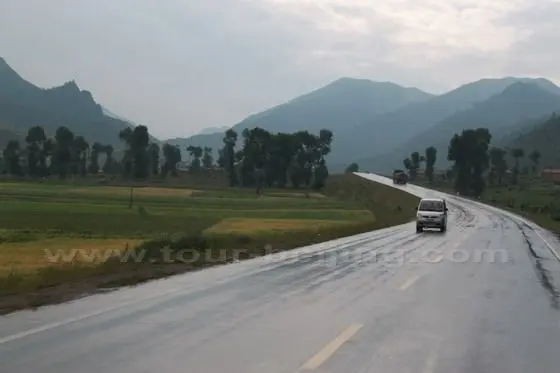
It is located at the southeast fringe of Tibetan-Qinghai Plateau in the cross-border areas of Qinghai, Sichuan and Gansu provinces. The national highway No.213 runs through the city of Hezuo, which is 62km west of Xiahe, 260 km south of Lanzhou and 860km north of Chengdu with a average altitude of over 3000 meters.
Now we were inside the jurisdiction area of Hezhou.
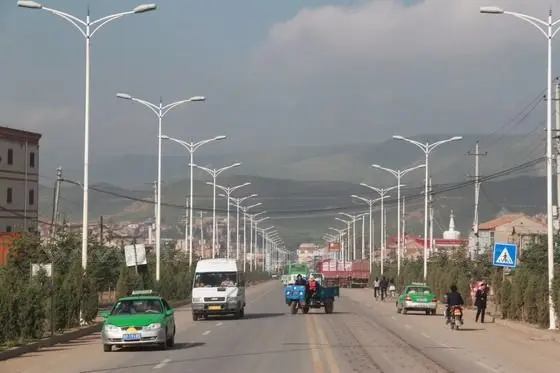
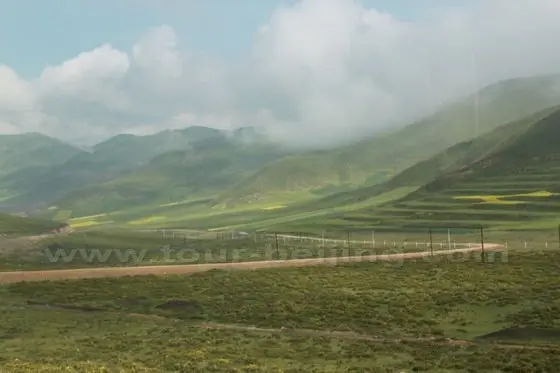
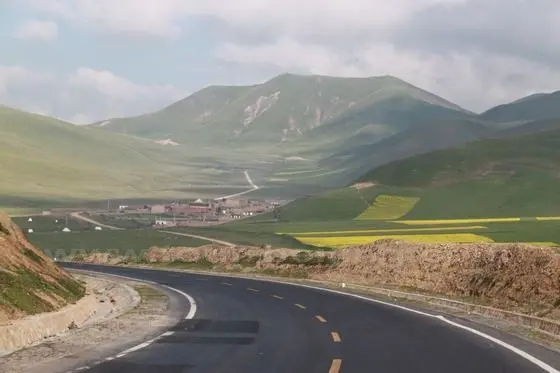
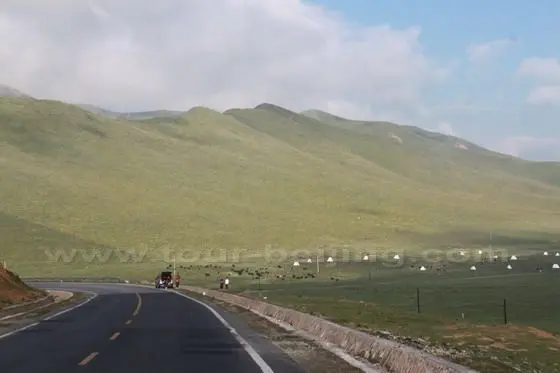
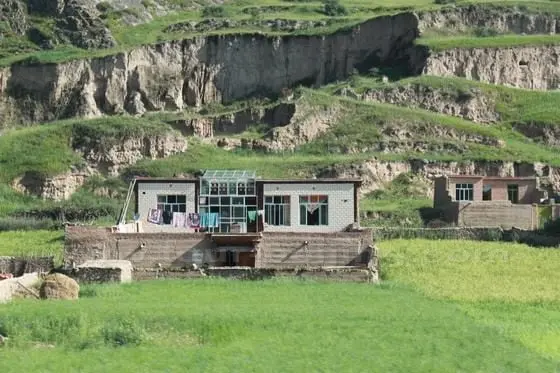
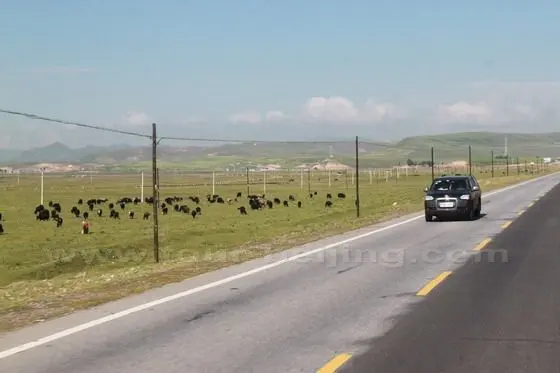
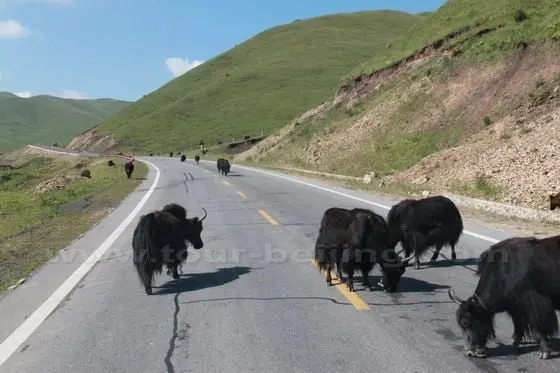
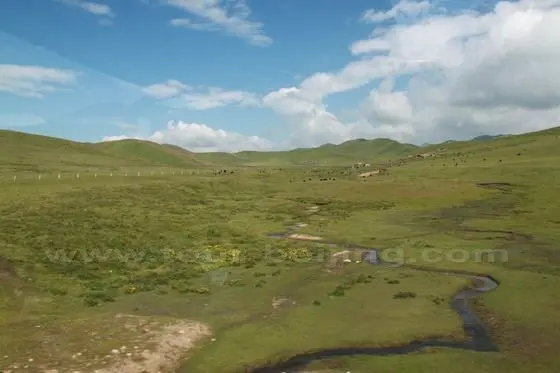
A large part of Luqu county is at the sea level between 2900 and 4287 with the yearly average temperature at 2.3 degree and the sunshine time of 2222 – 2351 hours. Luqu County is about 78km away from Hezuo, the capital city of Gannan Tibetan Autonomous Prefecture of Gansu Province. Langmusi Town is under the administration of Luqu, 90km to the southeast of Luqu.
Luqu has rich tourism resources with unique ethic features – Gahai Lake, Zecha Stone Forest, and Langmusi. Linked by National Highway No.213, Luqu is incorporated in the golden travel route of Xiahe, Langmusi, Ruoergai, Jiuzhaigou.
Now we were entering Luqu County.
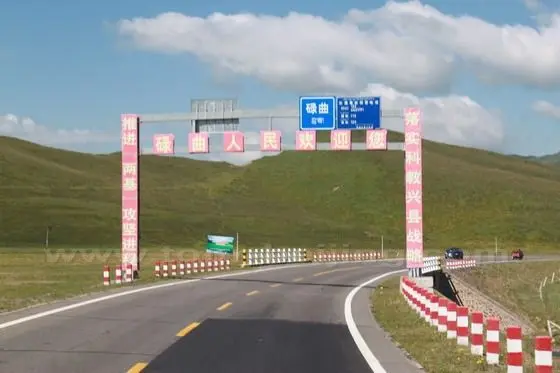
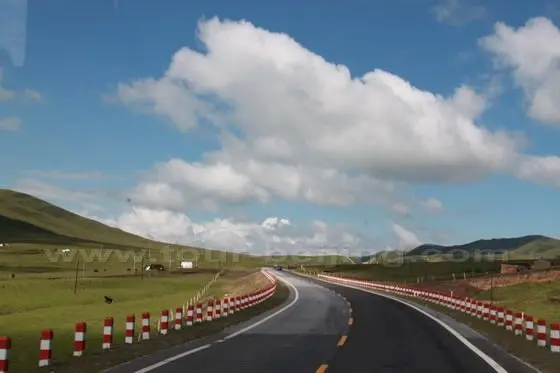
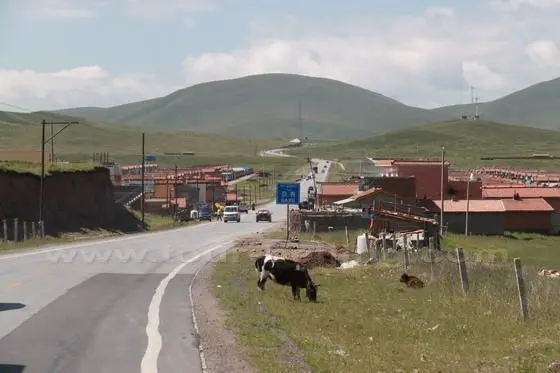
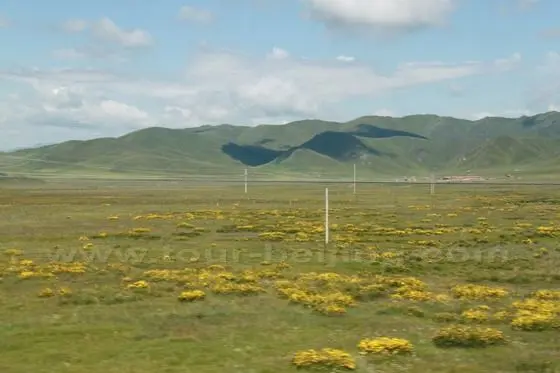
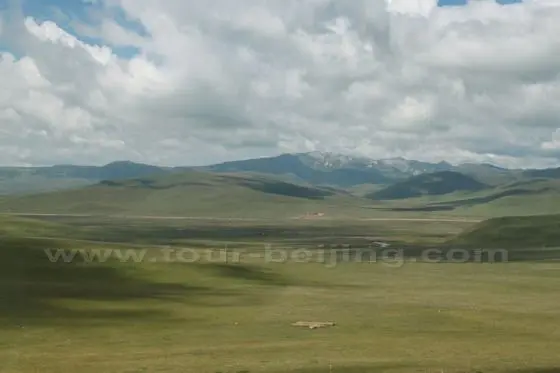
We were passing by Gahai Lake.
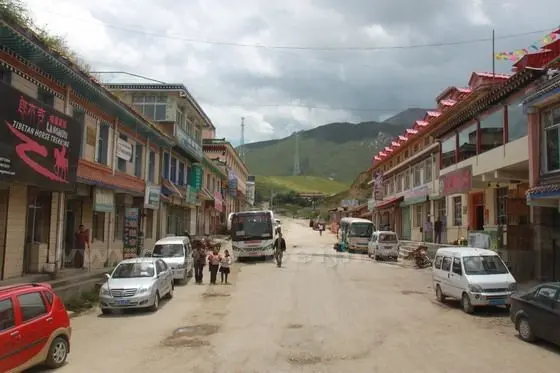
With a population of over 3,000, the town is now mainly inhabited by Tibetans, Han and hui. The town of Langmusi is only composed of one main street with a streem known as “White Dragon River” passing by the street. The area of north of the streem belongs to Gansu Province while the south to Sichuan.
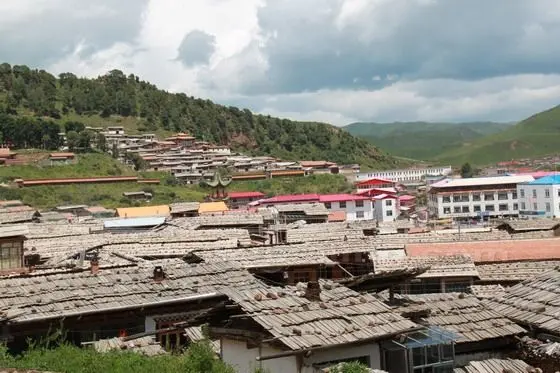
The rual town is nestled in a valley between the north and south hills along steep grassy meadows, evergreen forests and snow-capped peaks. Langmusi has two Tibetan Temples and one Muslim Mosque. They are:
Sertri Gompa – The temple is located on northern hill ( on Gansu side ).
Any questions, just drop a line.
Hand-picked routes matched from this post's destination clues and curated travel themes.
Use these attraction notes to connect nearby sights with tours, destination guides, and planning articles.
Subscribe to receive Beijing travel ideas and tour updates.
More single-day ideas selected by the Local Guide Desk. Open an Experience to see whether it is available online or by request.


Leave a Reply
Share a question or note for this guide. Comments are reviewed before publishing.