

Call a local advisor
+86 186 1196 4400Email our team
info@tour-beijing.comBeijing tour
Explore Beijing’s living heritage in Fangjia Hutong and the majestic Lama Temple on this private day tour blending tradition with modern culture.
This best nostalgic day trip gives you an opportunity to look at Beijing's past, its present day and future. The area (especially at Fangjia Hutong) is a great place to hide away (temporarily, at...
This best nostalgic day trip gives you an opportunity to look at Beijing's past, its present day and future. The area (especially at Fangjia Hutong) is a great place to hide away (temporarily, at least) from the urban crowds and city lights.
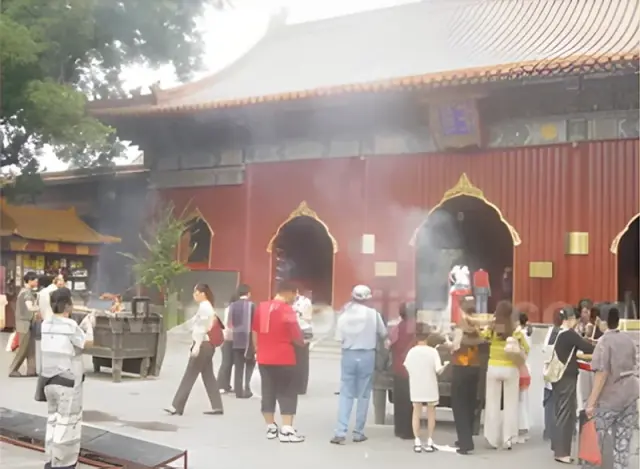
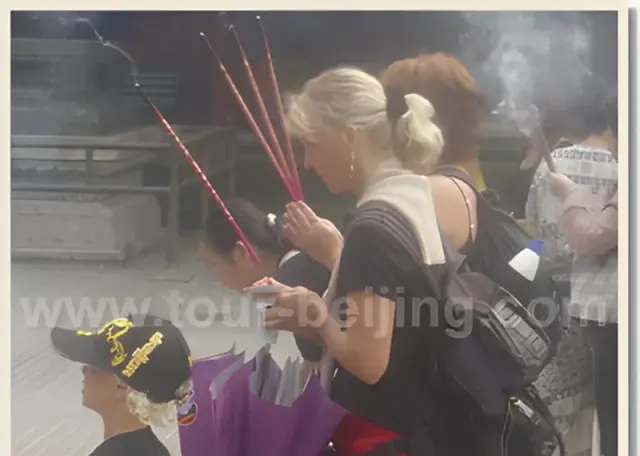
Picking up from your hotel around 9:00am and start for your first destiantion - Yonghe Gong Temple (also known as Lama Temple). It is the biggest lamasery in Beijing. First built in 1694 as the residence of Prince Yong. After the prince came to the throne to become Emperor Yongzheng, he turned his old residence into a temporary palace called "Yonghegong" in 1725. In 1744, his successor, Emperor Qianlong changed the palace into a lama temple. Now there are three archways and five main halls. You can visit the whole temple within 1-2 hours.
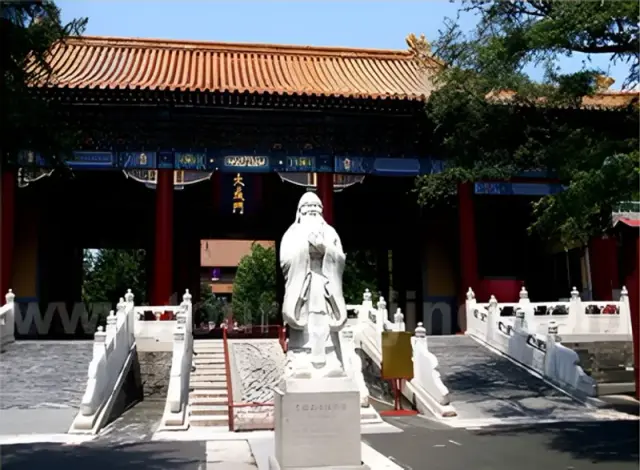
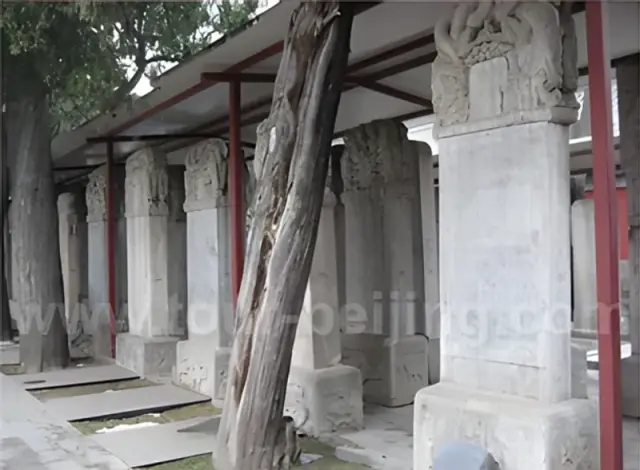
Then move on to Beijing Confucius Temple . The Beijing Confucius Temple is the second largest Confucian Temple in China just after the one in Confucius' hometown of Qufu. The temple was first built in 1302 and used to pay respects to Confucius. The complex was enlarged twice, during the Ming and Qing dynasties and now takes about 20,000 square meters. The compound includes four courtyards along a central axis. From south to north, outstanding buildings include the Xianshi Gate, Dacheng Gate, Dacheng Hall and Chongshengci. Inside the temple there are 198 stone tablets lying on both sides of the front courtyard, and they house more than 51,624 names of Jinshi (the advanced scholars) of the Yuan, Ming and Qing dynasties, and 14 stone stele pavilions of the Ming and Qing dynasties that contain the precious historical information of ancient China.
Continue to move on to the next door to the temple is Imperial College(Guozijian) . The Imperial College (Guozijian), which is located next to the temple of Confucius, was the highest institute of learning from the Yuan Dynasty (1279-1368) to the Ming Dynasty (1368–1644) and Qing Dynasty (1644-1911) in China's traditional educational system. It was officially built in 1306 and was positioned west of the Temple of Confucius built in 1302. The layout followed the ancient architectural rules "temple on the left and school on the right."
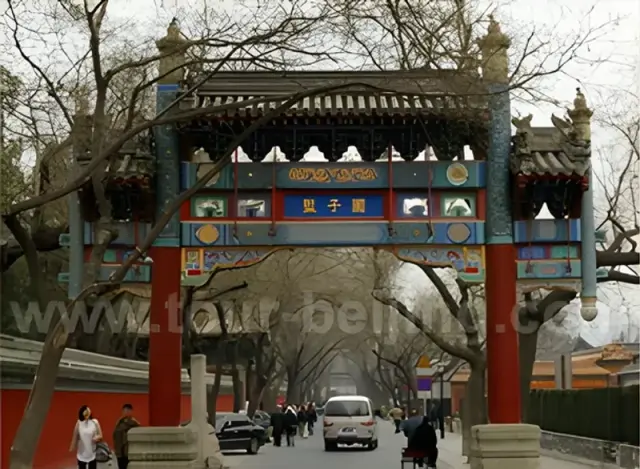
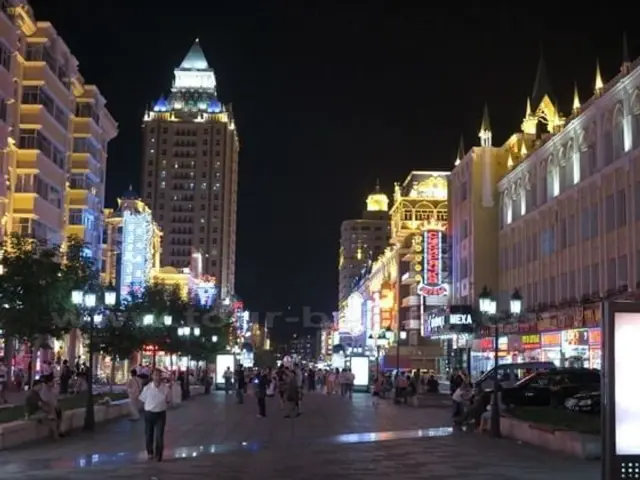
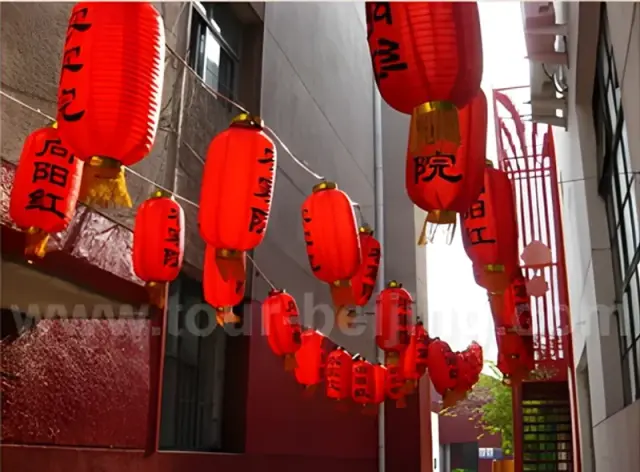
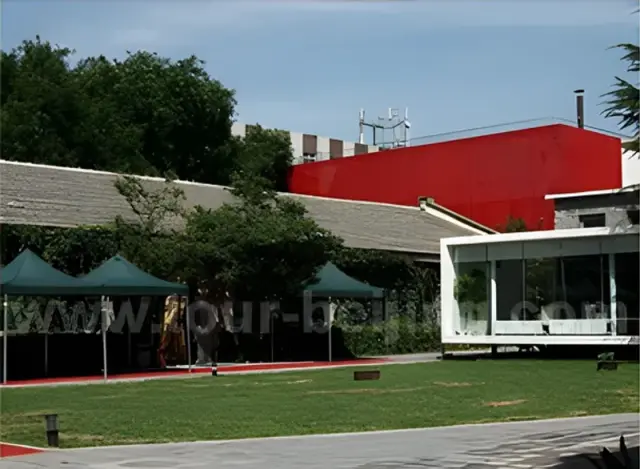
Then have a late lunch at Fangjia Hutong . After lunch, enjoy sauntering through the Fangjia Hutong. Hutongs are a trademark of Old Beijing. These narrow alleyways are connected to form what is known as a siheyuan, or courtyard, that house extended families. While the city has developed and many have moved from living within hutongs to high-rise apartments, there are still some residents living within, particularly the older generation. Hutongs are also a trademark of New Beijing. There are many of which, while retaining the gray brick facades, showcase the trendier, hipper side of Beijing. Fang Jia Hutong is one of them.
After this nostalgic day trip, you are transferred back to your hotel in Beijing around 5:00pm.
| Included | Not included |
|---|---|
| Private air conditioned vehicle | Gratuities to driver and guide |
| Chinese lunch as listed | |
| Entrance fees for Yonghe Gong Temple, Confucius Temple, Imperial College(Guozijian), | |
| Englsih Speaking tour guide | |
| The above private transfer is customized for you, your family or your friends exclusively. No other travelers will join in your group. |
English
| Travelling Party | Tour Cost Per Person |
|---|---|
| 1 person | $150 |
| 2 persons | $85 |
| 3 persons | $82 |
| 4 persons | $78 |
| 5 persons | $75 |
| 6 persons | $72 |
| 7 persons | $70 |
| 8 persons | $68 |
| 9 persons | $65 |
| 10 persons and above | $60 |
More single-day ideas selected by the Local Guide Desk. Open an Experience to see whether it is available online or by request.
Subscribe to receive Beijing travel ideas and tour updates.
Use these attraction notes to connect nearby sights with tours, destination guides, and planning articles.


